
Starr County Criminal History Checks
First decide what event must be confirmed. Starr County criminal records are split by purpose. A recent arrest report starts with the agency that made the arrest. A jail intake or present custody question starts with the Starr County Sheriff. A filed misdemeanor belongs with the county clerk and Court at Law, while a felony file belongs to the district-court clerk supporting the 229th or 381st District Court. A state-level conviction or deferred-adjudication search runs through Texas DPS. Registry status uses a separate DPS system. No one result replaces all of those records.
Gather the full recorded name, date of birth when an official form permits it, possible aliases, a rough event date, and a cause, report, booking, or warrant number if known. Starr County offices can search more precisely when the request names the record rather than asking for everything tied to a person. Keep a note of the source, date, spelling, and filters used. That trail helps when an online result and a clerk file do not agree.
- Identify whether the target is an arrest, booking, court case, statewide entry, warrant, custody status, or registry record.
- Contact the Starr County office or city agency that created the event and use its official request route.
- Search the matching state portal only after choosing the right record type and using enough identifiers.
- Read each charge and disposition separately. A booking allegation is not a court judgment.
- Ask the originating clerk or agency for a certified record when the result must be resolved or corrected.
Starr County Records Need Layers
The central mistake is treating “criminal history” as one database. Starr County agencies make distinct records at distinct times. A police report states allegations and investigative facts. The jail records intake, lodged charges, bond, and release. A prosecutor may change or decline those charges. The court then records the filed case, plea, motions, disposition, and sentence. DPS receives identity-linked events reported through Texas criminal-justice systems, but its public product is narrower than a person’s full fingerprint-based review.
The official Starr County homepage provides the local office directory and is the best first check for current county routing. The county government portal shown below leads to the courthouse, sheriff, clerk, and court pages.

That local directory matters because an empty web search can mean the wrong court, an older paper file, a spelling difference, delayed reporting, or a lawful restriction. It does not prove that no Starr County record exists.
| Channel | Best Use | Key Limit |
|---|---|---|
| Sheriff or city agency | Incident, arrest, and booking material | Not the final court result |
| County or district clerk | Docket, judgment, and certified case copies | Limited to that court |
| re:SearchTX | Electronic case discovery | Coverage and documents vary |
| Texas DPS | Public statewide conviction and deferred data | Name matching and reporting gaps |
| VINELink or TDCJ | Custody or supervision status | Not a complete criminal history |
Official Background Checks in Texas
The Texas Department of Public Safety, Crime Records Division maintains the state criminal-history repository. Its public Criminal History Search sells prepaid name-search credits and returns information that Texas law makes public, including reported convictions and deferred adjudications with related eligible data. Similar names can yield possible candidates. Match date of birth and other lawful identifiers, and do not treat a name hit as fingerprint proof.
A person reviewing their own fuller Texas history should follow DPS personal-review instructions. Fingerprint capture uses the FAST channel operated by IdentoGO by IDEMIA. The requesting program or DPS process supplies the correct service code. Starr County research did not confirm a permanent enrollment storefront in the county, so use the live scheduler with a local ZIP instead of relying on an old address. The FBI electronic order portal provides the separate federal, fingerprint-based Identity History Summary for self-review.
The DPS criminal-history overview explains the official Texas products and their limits.
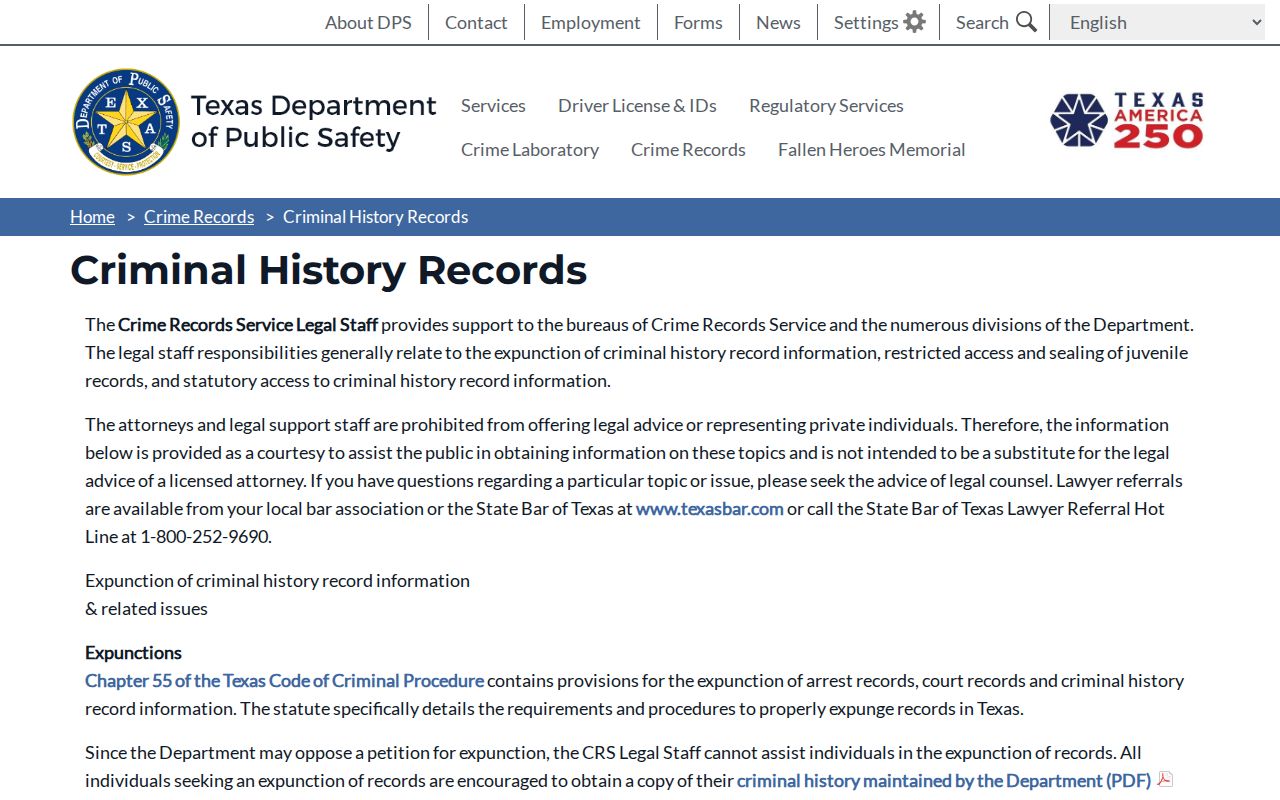
This DPS overview is the right place to choose between a public name search and review of one’s own identity-linked record.
Starr County DPS Search Fields
The DPS Criminal History Search requires an account and purchased credits before a public name search. Search inputs include a last name, first name, and date of birth. Aliases and exact identifiers improve the odds of separating people with similar names. A result must still be compared with a Starr County court disposition because the public repository view and the local file serve different roles.
| Field or Step | How to Use It | Why It Matters |
|---|---|---|
| Account and credits | Create the DPS account and confirm checkout price | A credit is used for each paid search |
| Last and first name | Use the recorded spelling and test known aliases | Name-only candidates may not be the same person |
| Date of birth | Add the accurate date when permitted | It narrows common-name results |
| Result identifiers | Compare agency, event, and disposition details | A hit is not identity proof |
Published historical pricing has been three dollars per search credit plus processing, but the live checkout controls. FAST and FBI fees vary by the selected official service. Starr County court and sheriff copy charges were not confirmed in the inspected local sources, so ask for a current estimate before ordering.
The official FAST enrollment interface shows the current service-code workflow.
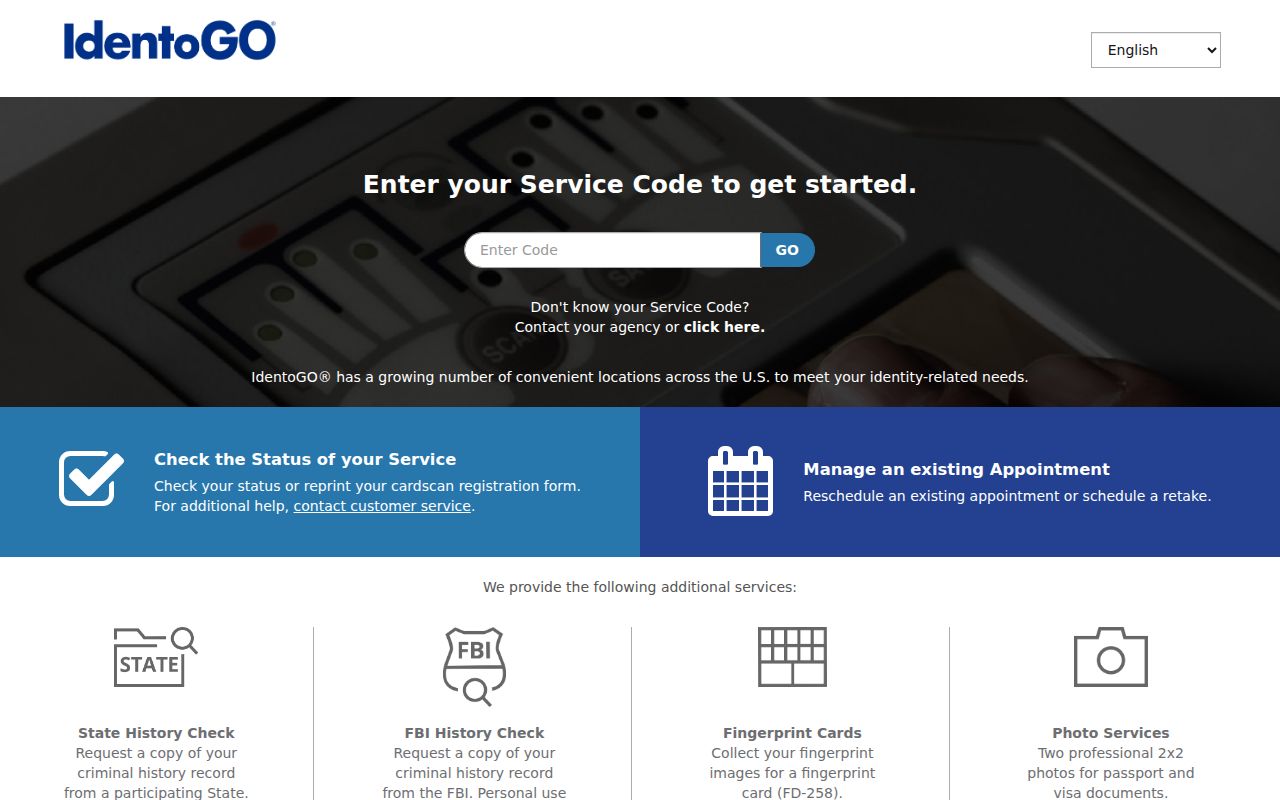
Use that scheduler only with the service code tied to the correct DPS or authorized program process.
Kinds of Criminal Records
Starr County criminal records reflect a chain, not a single document. Incident reports come from the sheriff or a city police department. Booking records come from the detention operation. Complaints, informations, and indictments state filed accusations. Clerks maintain dockets, pleas, judgments, sentence entries, and financial events. DPS organizes reported arrest cycles around identity. Warrants come from a court or magistrate, while custody and supervision records belong to local community supervision, the jail, or TDCJ.
- Incident report: allegations, narrative, event numbers, involved roles, and evidence references held by the creating agency.
- Booking record: intake date, arresting agency, lodged charges, bond, custody, and release fields.
- Court case file: filed charges, docket events, motions, pleas, disposition, judgment, and sentence.
- DPS history: eligible public conviction and deferred data reported to the statewide repository.
- Custody or registry record: limited current status published through a purpose-specific official system.
Juvenile information, victim and minor identifiers, medical data, active investigative facts, and records affected by expunction or nondisclosure can be restricted. A redacted Starr County record may still provide a public portion.
Starr County Charge Classes in Records
Texas offense levels also point toward the correct Starr County court. Capital, first-degree, second-degree, third-degree, and state jail felonies belong in district court. The 229th and 381st District Courts are the local felony venues. Class A and Class B misdemeanors can bring county-jail exposure and proceed through the County Court at Law. A fine-only Class C matter may remain with a municipal or justice court that has jurisdiction.
The class printed on a booking entry is not always the final level. Prosecutors can alter charges, and Texas enhancement rules can raise a punishment range based on qualifying prior convictions or case facts. Read the filed complaint, information, or indictment, then use the signed judgment for the final court result. This is why the charge description in a Starr County arrest record should not be treated as the disposition.
Starr County Court Records Hub
The Starr County Courthouse at 401 N. Britton Avenue in Rio Grande City is the local case-record hub. Room 201 houses the county clerk route for Court at Law misdemeanor files. Room 303 serves the 229th District Court, and Room 401 serves the 381st District Court. The district courts hear felony matters. Justice and municipal courts keep their limited fine-only files. Calling the courthouse main line at 956-716-4800 with a cause number and filing year can save a trip to the wrong room.
County Clerk users can call extension 2009 and ask for the current Criminal Case Request Form, the present plain or certified copy charge, and whether an older file is electronic or archived. The 381st criminal coordinator is available at extension 8626, while its main room contact uses extension 8664. The 229th page also publishes calendars, plea protocol, decorum, and an interpreter or court-administrator contact. Those pages help interpret court operations, but a calendar setting is not a signed judgment.
County Clerk
401 N. Britton Ave., Room 201
Rio Grande City, TX 78582
956-716-4800 ext. 2009
229th District Court
401 N. Britton Ave., Room 303
Rio Grande City, TX 78582
956-716-4800
381st District Court
401 N. Britton Ave., Room 401
Rio Grande City, TX 78582
956-716-4800 ext. 8664
Starr County Records: What They Contain
A Starr County court file centers on a cause number, court, filing date, charge, parties, settings, attorneys, motions, plea, disposition, costs, judgment, and sentence. A booking packet centers on intake and custody. A DPS entry centers on identity-linked arrest and disposition reporting. Those views can differ for a time because each custodian records a different stage.
| Name and Identifiers | Recorded names, aliases, date-of-birth data, and agency or state identifiers as law permits. |
|---|---|
| Arrest and Booking | Event date, arresting agency, booking number, lodged charges, bond, and release status. |
| Charges and Statutes | Alleged offense text, level, charging instrument, and cited Texas law. |
| Disposition | Charge-level outcome such as conviction, acquittal, dismissal, or deferred adjudication. |
| Sentence | Court-ordered confinement, fine, restitution, or community-supervision terms. |
| Custody or Supervision | Limited location, release, prison, probation, or parole status from the proper custodian. |
- Cause number
- The court’s file identifier. Starr calendars use criminal-series forms such as a year followed by CRS.
- Disposition
- The result or status of a charge, which must be read at charge level.
- Deferred adjudication
- Texas community supervision without an immediate judgment of guilt, subject to statutory rules.
- Capias
- A court writ directing an arrest, often tied to a later case event or judgment.
Starr County Custody Record Routes
The official Starr County Sheriff page does not publish a searchable booking roster. For present county custody, call the sheriff at 956-487-5571 and ask whether the person is held, transferred, released, or booked for another agency. The office at 102 E. 6th Street in Rio Grande City also handles requests for sheriff-created arrest, incident, and detention material. The county page refers custody users to VINELink, which can provide status or notifications when local data participates.
A sentenced Texas prisoner belongs in the TDCJ Online Inmate Search, not a Starr County booking search. TDCJ accepts a TDCJ number or SID number, or a name search with race and gender. A result can show the prison location, offense, sentence, and projected release or parole information when applicable. It does not reproduce the local booking packet. IVSS adds eligible custody and parole notifications.
The TDCJ offender-information page routes Starr County users to the right state custody tool.
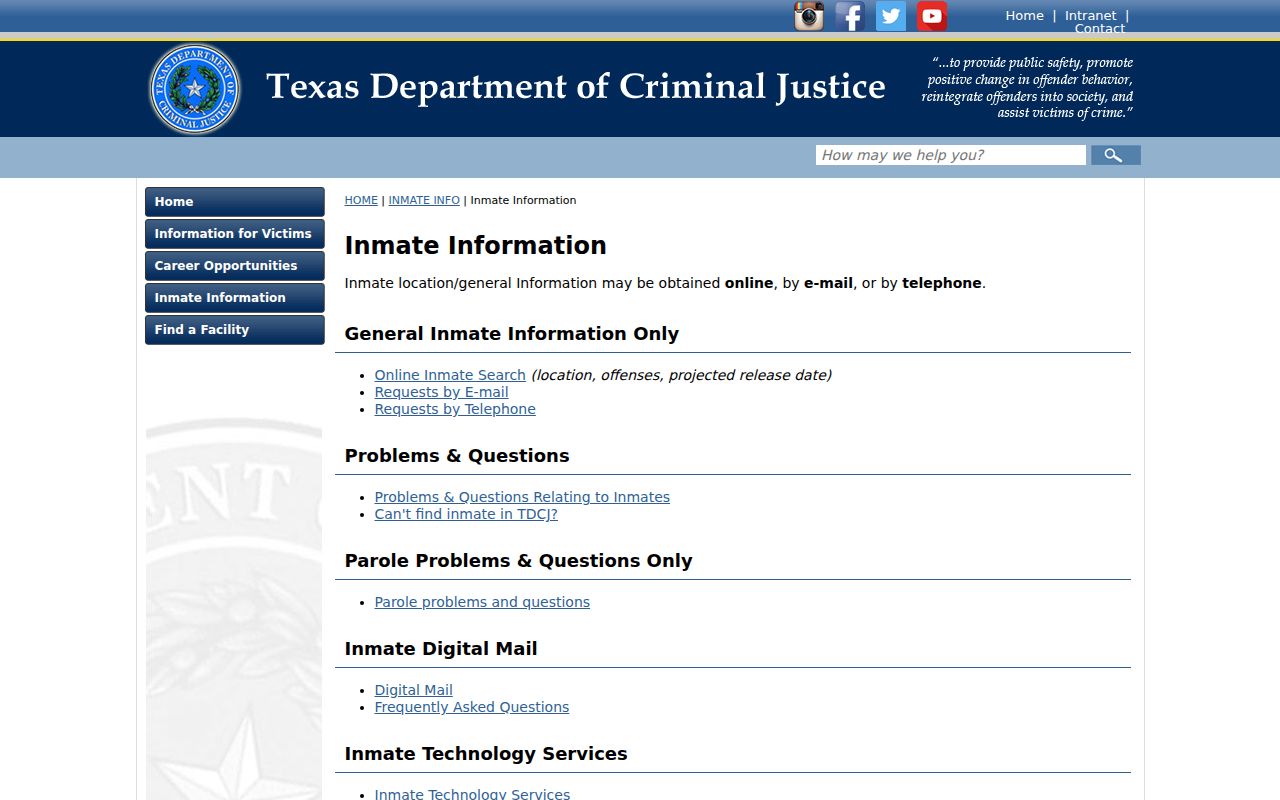
That state page is appropriate after a transfer to TDCJ, while the Starr County Sheriff remains the local booking and recent-custody source.
Texas Public Access Laws
Access depends on the custodian. The Texas Public Information Act governs requests for existing sheriff and police records, subject to exceptions and redaction. A request should describe the record, date range, location, and event number when known. Courts control judicial case files through clerk procedures and judiciary access rules rather than treating every docket paper as a routine agency request. DPS dissemination rules control the statewide criminal-history product.
Key Texas authorities:
Government Code Chapter 552 provides the public-information framework and law-enforcement exceptions.
Government Code Chapter 411 controls DPS criminal-history dissemination and nondisclosure.
Code of Criminal Procedure Chapter 55A governs expunction eligibility and procedure.
Code of Criminal Procedure Chapter 62 governs sex-offender registration and public registry duties.
Judicial Branch access standards guide court-record handling by clerks.
The Texas Attorney General open-government resource explains requests, estimates, redaction, and the ruling process.

Ask for segregable public portions when part of a Starr County record may be protected instead of abandoning the request.
Starr County Warrant Record Fallback
No official Starr County online warrant list was found. The safe route is the issuing court plus the sheriff. Call the sheriff and the relevant county or district clerk for felony or county matters. Contact the municipal court for fine-only city matters, or use the official Starr County Justice directory for a justice-court warrant. A clerk can describe the docket but cannot promise how law enforcement will act.
A warrant record may identify the court, cause or warrant number, alleged charge, issue date, bond, and execution or recall status. Active-law-enforcement details can be withheld under the Texas Public Information Act. TDCJ and federal inmate locators are not warrant databases. Do not try to test a suspected warrant through an encounter. Confirm it through the proper office, then seek legal advice about response and surrender options if needed.
Note: A blank online result never guarantees that Starr County has no active warrant or capias.
Starr County Criminal Record Flow
An arresting agency first creates the incident and arrest record. At booking, the jail records intake, charges, property, photograph, and fingerprints. Texas criminal-justice systems transmit fingerprint and event data to DPS. A prosecutor decides whether and how to charge. In Starr County, felonies move to the 229th or 381st District Court, qualifying misdemeanors to the Court at Law, and fine-only matters may remain with a justice or municipal court. Clerks then preserve pleadings, docket entries, judgments, and sentence records, and authorized reports return dispositions to DPS.
Record flow: Arresting agency › Starr County booking › prosecutor › proper Starr court › Texas DPS disposition update.
The Texas Board of Pardons and Paroles makes state parole decisions, while the TDCJ Parole Division supervises releasees. Starr County’s Community Supervision and Corrections Department structure handles court-ordered local probation. A docket may reveal the term or a motion to revoke, but internal supervision information can remain restricted.
The Board of Pardons and Paroles portal documents the state parole layer.
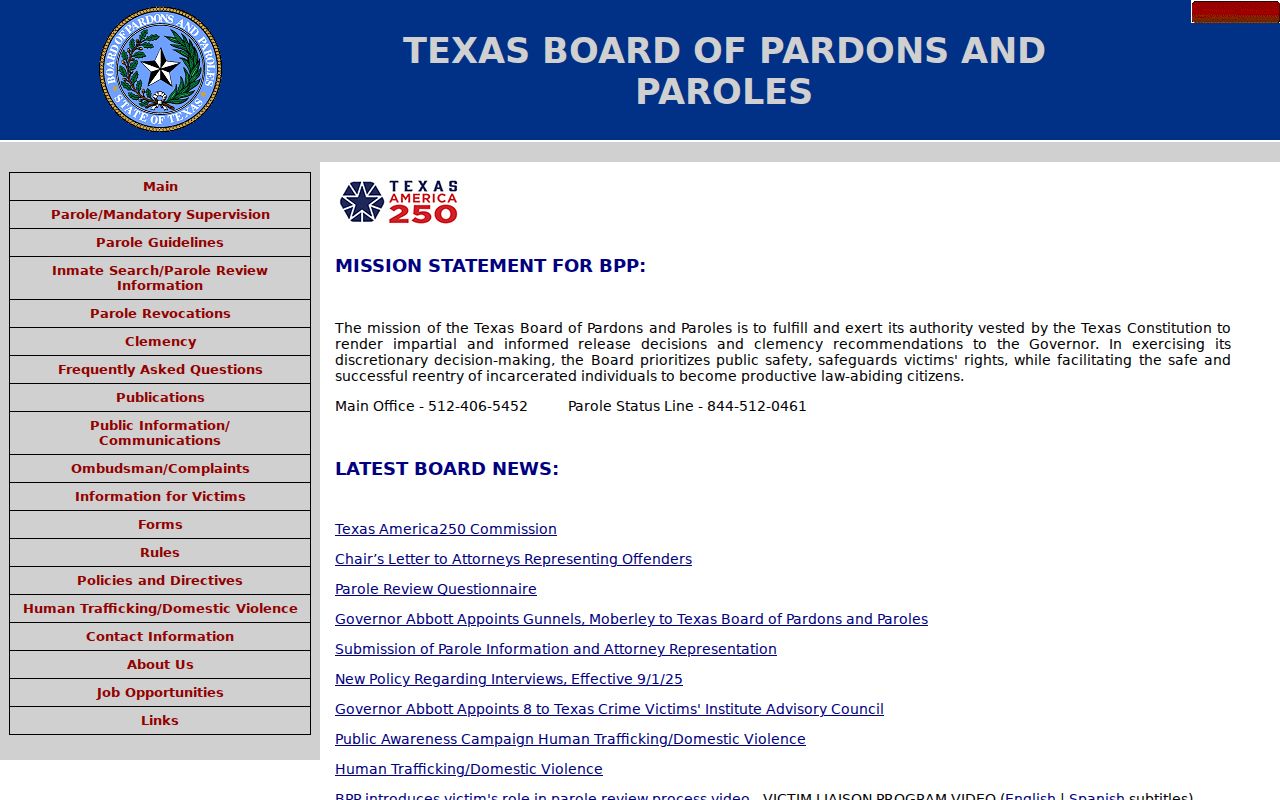
This state source helps separate parole status from a Starr County court’s community-supervision order.
Restricted, Sealed & Expunged Records
Texas law can restrict juvenile files, confidential criminal-history data, active investigative facts, protected victim information, medical or biometric data, and records covered by a court order. Redaction removes protected fields but can leave a public remainder. An order of nondisclosure limits public dissemination of eligible history while specified agencies retain access. Expunction is a different and stronger remedy that directs covered holders to remove or destroy qualifying arrest records under Chapter 55A.
Texas reorganized expunction law into Code of Criminal Procedure Chapter 55A on January 1, 2025. Eligibility depends on the precise arrest, outcome, timing, charge relationship, and statutory ground. An acquittal, pardon, identity-theft event, qualifying dismissal, no-charge outcome, or certain specialty-court completion may support relief, but dismissal alone does not guarantee it. Starr County filers should request the current petition requirements and full filing total from the district clerk. The researched county pages did not publish a complete district-court fee.
Keep certified copies of any signed order. After processing time, compare the Starr County clerk view with one’s own DPS record. If an entry remains, start with the agency or clerk that originated the error and provide the order or certified disposition through the DPS correction process.
Correcting Starr County Record Gaps
A missing disposition often reflects the handoff between a Starr County clerk and the DPS repository. Begin with the local cause number and read the signed judgment, dismissal, or charge-level docket. Ask the clerk for a certified copy if the outcome must be proved. Then compare that document with the arrest cycle in one’s DPS personal review. The correction request should go first to the office that created the wrong or incomplete field.
Preserve the date searched, portal, spelling, filters, and result identifiers. Those details show whether the wrong county, court, or alias caused the mismatch. Older paper files and re:SearchTX coverage gaps also explain many blank screens. A public DPS name result can omit nonpublic material and can depend on what agencies reported, so it should not be treated as a full FBI-style rap sheet.
The official DPS Crime in Texas reports provide a separate source for agency-level crime statistics.
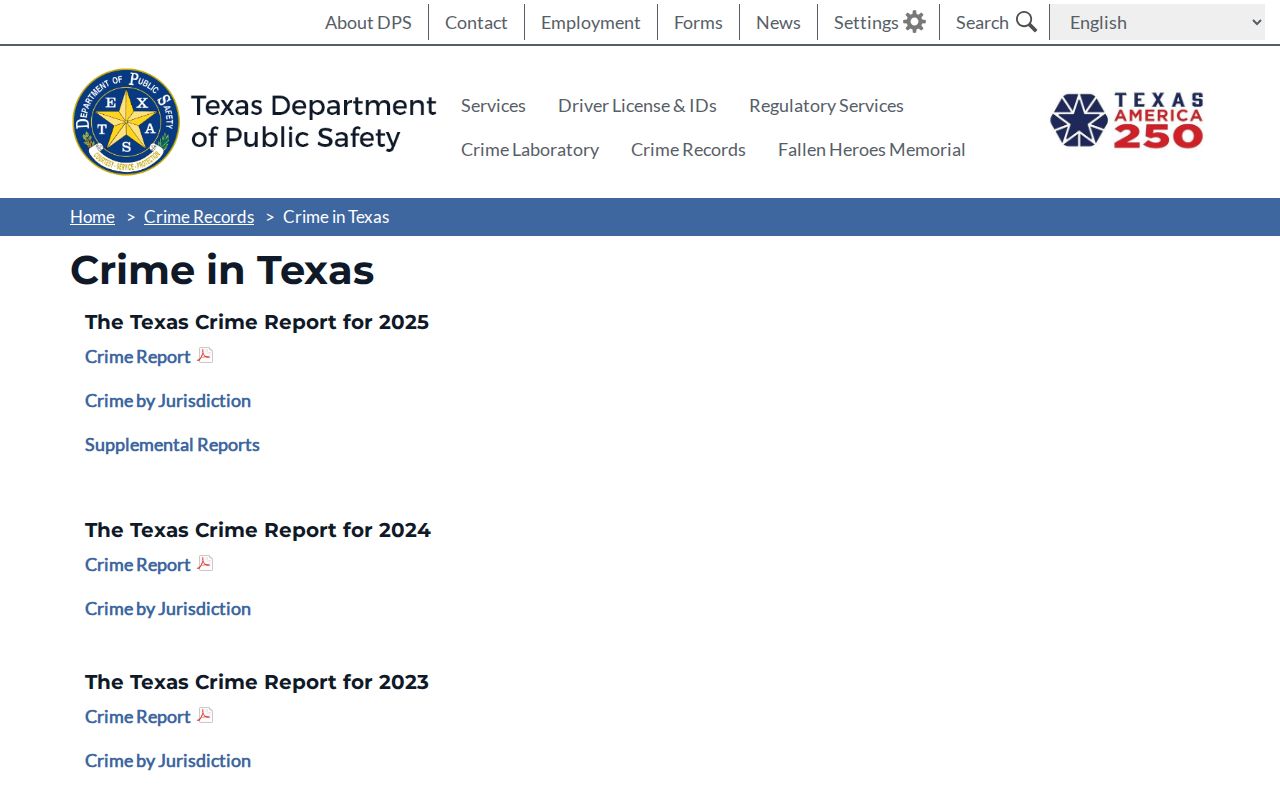
Crime totals must be filtered by agency, year, and reporting method. They cannot establish whether one person has a Starr County record.
Starr County Border Record Layers
Starr County had 65,920 residents in the 2020 Census across 1,223.2 square miles of land. Rio Grande City, Roma, and La Grulla line the Rio Grande and U.S. 83 corridor, while much of the county is unincorporated. That layout creates overlapping record custodians. City police and municipal courts create local reports and fine-only files. The sheriff and justice courts serve county functions. Texas DPS and TDCJ add state records. Federal agencies and the Southern District of Texas form a separate federal layer.
Federal criminal cases use PACER, not a Starr County clerk. The Federal Bureau of Prisons inmate locator covers federal prisoners, not the county jail or TDCJ. Border location can bring federal cases into the region, but no federal charge should be inferred from a local arrest or county search. Match the filing court before choosing a docket system.
The FBI Crime Data Explorer is the official federal source for agency-level crime data.
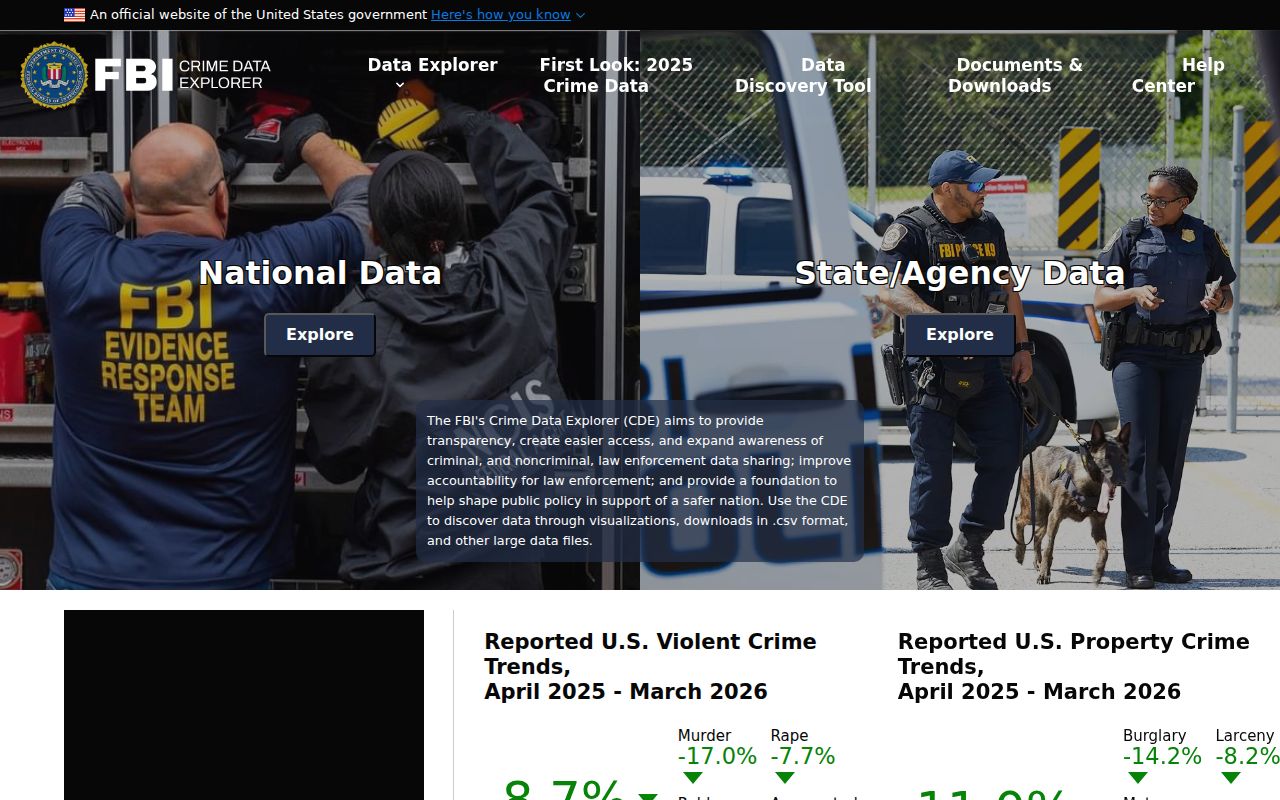
Use its agency and year filters with care because incomplete or overlapping coverage can distort a Starr County total.
City-by-City Criminal Records in Starr County
City records begin with the agency that made them. Rio Grande City is the county seat and routes local police and municipal matters through its official city directory before county booking or prosecution. Roma publishes a police address and phone plus a municipal citation-payment route. La Grulla lacks a stable official online records desk in the research, so the county sheriff and Justice directory provide the honest starting points while the responsible agency is confirmed.
Rio Grande City Record Check
County seat with city, county, and district record routes.
Roma Record Check
Verified police contact and municipal citation channel.
La Grulla Record Check
County and justice-court fallbacks where city web access is thin.